
As another powerful snowstorm blankets our region and temperatures plummet, homeowners are reminded of the extra responsibilities winter brings — especially when it comes to fuel delivery and home safety. Heavy snowfall and drifting winds can quickly bury outdoor fuel tank fills and essential exhaust vents, creating hazardous conditions, disrupting delivery services, and putting your household at risk.
At Yankee Oil, we understand that safety and uninterrupted home heating are among your highest priorities during winter storms. That’s why we want to walk you through why keeping a clear path to your oil tank fill is essential, the dangers posed by snow-covered exhaust vents, and how you can take proactive steps to protect your home and family this season.
In this comprehensive guide, we’ll cover:
-
Why snow around your oil tank fill matters
-
How buried or blocked vents create real safety hazards
-
What to clear — and what not to clear — around your home systems
-
Step-by-step strategies for safe snow removal
-
Helpful tips for working with oil delivery professionals
-
How to stay prepared for the next snowstorm
Let’s dig in.
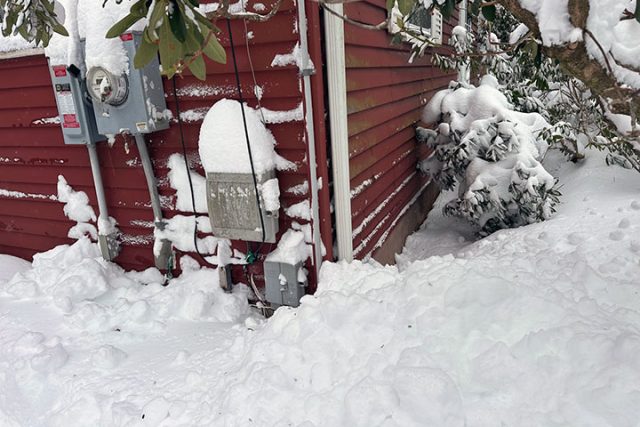

Why Clearing Your Oil Tank Fill Matters Now More Than Ever
When heavy snow hits, one of the most overlooked areas that can become inaccessible is your oil tank fill pipe — the connection point where fuel delivery drivers fill your home heating oil tank. For many homeowners, this pipe is located outside, exposed to snow and drifting winds.
❗ Common Winter Problems Caused by Snow Around Your Oil Tank Fill
When snow is allowed to pile up or shift near your oil fill location:
-
Delivery trucks can’t safely access the fill point — even if you need fuel.
-
Delays in delivery can leave you low (or out) of heating oil.
-
Drivers may inadvertently damage property while trying to navigate the area.
-
Frozen or buried pipes can complicate delivery operations.
-
Safety hazards increase for both drivers and residents.
The bottom line? Without a clear path to your oil tank fill, your heating system is at risk — especially in the heart of winter storms.
Your Safety Comes First: Clearing Snow and Protecting Exhaust Vents
It’s not just the oil tank fill that deserves your attention. Your home has multiple vents and exhaust points that must remain clear through winter:
✅ Dryer vents
✅ Furnace exhausts
✅ Gas hot water heater vents
When these openings become blocked by snow or ice, your home’s systems can’t operate safely, and dangerous gases — including carbon monoxide — can build up inside your living space.
🚨 Why Blocked Vents Are Dangerous
Blockages can lead to:
-
Carbon monoxide buildup — a colorless, odorless gas that can be lethal.
-
Equipment malfunction or shutdown — systems like your furnace or water heater may stop working.
-
Fire hazards — dryer vents clogged with snow and lint are a risk.
-
Poor ventilation — trapped exhaust gases can cause corrosion and long-term damage.
Snow can pack tightly around vents, especially when winds shift or drifting occurs. It’s critical that these areas be visually inspected and cleared after every heavy snowfall.
Step-By-Step Guide: Clearing Snow From Your Oil Tank Fill and Vents
Here’s how to safely clear snow, ice, and debris around your home systems:
1. Locate All Critical Outdoor Points Before the Storm Hits
Before snow accumulates:
✔ Find your oil tank fill pipe.
✔ Identify your dryer vent hood.
✔ Locate furnace exhaust vents.
✔ Identify gas water heater vent outlets.
Mark these locations, especially if they’re hard to spot under normal conditions — that way you won’t be searching through deep snow in the middle of a storm.
2. Use the Right Tools — and Leave the Dangerous Ones Alone
When shoveling snow:
✅ Use plastic snow shovels or snow blowers — they are less likely to damage pipes and vents.
✅ Use brooms or soft bristle brushes for light snow around sensitive areas.
✅ Wear warm, slip-resistant footwear.
🚫 Avoid metal shovels or tools that can puncture pipes or damage vent openings.
3. Clear a Wide Path to Your Oil Tank Fill
Your goal isn’t just to expose the fill pipe — it’s to create a safe, walkable and drivable path for your delivery driver.
Consider the following:
-
Clear at least 3-4 feet of space in front of the fill location.
-
Remove snow down to ground level if possible.
-
Avoid leaving piled snow where it can drift back into the cleared path.
A clear path speeds delivery and reduces risk of slips, trips, and other hazards.
4. Gently Brush Snow Off Vents and Exhausts
Pay special attention to:
-
Dryer vents near the foundation
-
Sidewall furnace exhausts
-
Water heater vents typically close to the ground
If snow has packed into the vent opening:
-
Use a soft broom or brush to sweep snow away
-
Do not insert objects into the vent — you can cause damage
-
Ensure the entire vent opening is visible and free-flowing
5. Check After Every Storm — and During Ongoing Snowfalls
Snow isn’t always static. Wind can blow snow back into cleared areas, covering previously cleared vents and pipes again.
Make it a habit to:
✔ Inspect all vents and your tank fill point after each storm.
✔ Re-clear as necessary.
✔ Check mid-storm if snowfall is heavy and persistent.
Special Considerations: Ice and Compact Snow
Heavy snowstorms are often followed by cold snaps, which can cause:
-
Ice buildup on pipes and vent hoods
-
Snow to harden or cement together, making it harder to remove
If snow has turned to ice:
-
Pour warm (not hot) water carefully to soften ice build-up
-
Re-shovel softened snow once it loosens
Never hit ice with metal tools — this can crack vents or pipes.
Working With Your Oil Delivery Team During Winter
Even with your best efforts, there are times when the weather makes access challenging. That’s why communication with your oil delivery provider is so important.
Here are some steps you can take:
📌 1. Alert Your Delivery Office If Access Is Limited
Tell your service provider if:
-
Snow is impeding access to your oil tank fill
-
Vents are covered or might interfere with safe delivery
Early communication helps the driver come prepared — or reschedule if conditions are too dangerous.
📌 2. Know Your Property Layout
Drivers appreciate clear directions to access points, especially when visibility is low.
📌 3. Ask for Assistance if You Can’t Clear the Path
Some companies offer assistance in hazardous conditions. If you’re unable to clear snow safely, ask about options.

The Importance of Safety for Your Family and Your Home
With temperatures near or below freezing and snow accumulating quickly, now is not the time to delay. Snow-covered fills and blocked vents can lead to:
⚠️ Heating interruption
⚠️ Equipment damage
⚠️ Dangerous exhaust back-up
⚠️ Carbon monoxide risks
Your diligence now protects your home, your family, and ensures that when you need fuel, your delivery can be completed safely and efficiently.
Snow Safety Checklist: Before, During, and After a Storm
Here’s a ready checklist you can use:
📍 Before the Storm
✔ Identify and mark all outdoor vents
✔ Locate your oil tank fill pipe
✔ Gather safe, plastic-based snow removal tools
✔ Discuss snow access plans with household members
📍 During the Snowfall
✔ Clear snow in manageable increments
✔ Brush vents gently as needed
✔ Maintain visibility of all critical openings
✔ Take breaks to avoid overexertion
📍 After the Storm
✔ Re-inspect filled areas
✔ Double check vents aren’t drifting over again
✔ Clear down to the ground around pipe and vent openings
✔ Communicate with your oil provider if problems exist
Why Routine Winter Preparedness Matters Year After Year
Winter storms don’t always give warning, and snowstorms can come fast. By taking steps early — and keeping them maintained — you:
🌨 Protect vital home systems
🌨 Ensure uninterrupted fuel delivery
🌨 Safeguard your family’s health
🌨 Reduce emergency repair costs
🌨 Enhance overall home safety
The habit of keeping your oil tank fill and vents clear becomes easier over time and makes each winter less stressful.
Final Thoughts From Yankee Oil: You’re Not Alone This Winter
At Yankee Oil, we know winter weather can be unpredictable and sometimes overwhelming. Snow, ice, and bitter cold are part of life in our region — but with the right preparation, you can avoid common pitfalls and stay secure through it all.
Whether it’s making sure your oil tank fill is easily accessible, or ensuring dryer, furnace, and hot water heater vents are completely clear of snow and ice, a little diligence goes a long way toward keeping your home safe, warm, and well-managed.
Have questions about winter maintenance or scheduling an oil delivery despite the storm? Contact Yankee Oil today. We’re here to help — storm or shine.
