
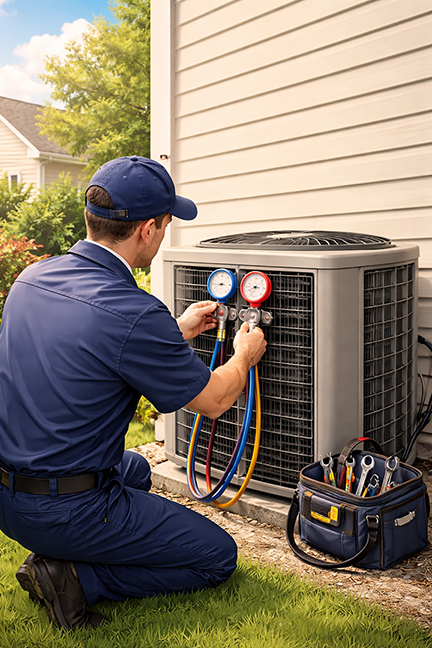
 Spring is in the air in Connecticut, and for many homeowners, that means it’s time to start thinking about your HVAC system. After a long winter, your heating, ventilation, and air conditioning system has been working hard to keep your home warm and comfortable. Just like any other piece of equipment, it needs a little care to stay efficient, reliable, and safe. Regular HVAC maintenance in Connecticut isn’t just a nice-to-have—it can save you money, prevent unexpected breakdowns, and ensure your indoor air quality stays top-notch.
In this guide, we’ll walk you through why HVAC maintenance matters, what you should be checking this spring, and how working with experts like Yankee Oil can make the process simple and stress-free.
The Importance of Regular HVAC Maintenance
Most people only think about their HVAC system when something goes wrong. Suddenly, the air conditioner isn’t cooling, or your furnace isn’t heating, and panic sets in. Unfortunately, waiting until a problem arises often leads to expensive repairs—or even the need to replace your system entirely.
Regular maintenance keeps your system running smoothly, extends its lifespan, and can even reduce your energy bills. According to the U.S. Department of Energy, properly maintained HVAC systems can use up to 15% less energy, saving homeowners hundreds of dollars each year.
Beyond energy savings, maintenance is crucial for safety. Gas and oil furnaces, boilers, and older AC units can develop leaks or other issues that, if left unchecked, may pose risks to your family. Routine inspections catch these problems early, giving you peace of mind.
For Connecticut homeowners, there’s another factor: the local climate. Our cold winters and hot, humid summers put a lot of stress on HVAC systems. Spring maintenance ensures your cooling system is ready for warmer months, while also giving your heating system a final check before being turned off for the season.
Spring HVAC Checklist for Connecticut Homeowners
Spring is the perfect time for an HVAC tune-up. After months of cold weather, your system has likely been running at full capacity. Here’s a spring checklist to keep your system in top shape:
- Change Your Filters – Dirty filters reduce airflow and strain your system. Replace them every 1–3 months, depending on your system and household needs. For Connecticut homes that use oil or gas heating during winter, filters often get dirtier more quickly.
- Inspect Air Ducts – Check for leaks or damage. Sealing ducts can improve efficiency and indoor air quality. Leaky ducts are surprisingly common in older CT homes, especially in attics or basements.
- Check Thermostat Functionality – Ensure your thermostat is accurate and programmable if possible. Smart thermostats can save energy by learning your schedule and adjusting temperature settings automatically.
- Inspect Cooling Components – Clean AC coils, check refrigerant levels, and clear any debris from around the unit. Debris like leaves or dust can accumulate in outdoor units during the winter months.
- Safety Inspection for Heating Systems – Even if your furnace won’t be used for months, check gas lines, venting, and oil systems for issues. A small leak can lead to bigger problems if ignored.
- Check for Uneven Airflow – Walk through your home and notice if some rooms are warmer or cooler than others. Uneven airflow can indicate duct leaks or blockages that are easy to fix during maintenance.
While some tasks can be done by homeowners, many are best left to professionals who have the tools and training to spot problems you might miss.
Common HVAC Problems Prevented by Maintenance
Skipping maintenance can lead to a range of issues, some of which are easy to prevent. Regular care helps avoid:
- Poor Airflow – Clogged filters or duct leaks can make rooms feel unevenly heated or cooled.
- Rising Energy Bills – Inefficient systems use more energy to reach the same comfort level.
- System Breakdowns – Small problems left unchecked often lead to costly repairs or emergency service calls.
- Indoor Air Quality Issues – Dirty coils, ducts, or filters can circulate dust, allergens, and other pollutants.
- Refrigerant Leaks – Low refrigerant in AC units reduces efficiency and can damage the system over time.
Even if your HVAC system seems fine, maintenance is like a tune-up for your car—it catches hidden problems before they become emergencies. Many Connecticut homeowners have reported that after a spring tune-up, their energy bills dropped noticeably during the first months of summer.
Benefits of Scheduling Professional HVAC Maintenance with Yankee Oil
There’s a lot you can do on your own, but partnering with an experienced HVAC company like Yankee Oil takes the worry off your shoulders. Here’s why professional maintenance is worth it:
- Expert Technicians – Our team is trained to handle everything from oil and gas furnaces to heat pumps and central AC systems.
- Comprehensive Inspections – Professionals check components that are hard to reach, including ductwork, refrigerant lines, and safety controls.
- Preventive Care – Catching small issues early can prevent costly repairs and improve system efficiency.
- Customized Maintenance Plans – We offer seasonal maintenance packages designed to keep your system running year-round.
- Peace of Mind – Knowing your system has been inspected and serviced reduces stress and keeps your home comfortable.
For example, one homeowner in Hartford noticed a sudden spike in their energy bills after winter. A professional inspection revealed a partially blocked coil in their AC unit—a quick fix that saved them hundreds of dollars and prevented a mid-summer breakdown.
Contact Us Today to Schedule Your HVAC Maintenance
DIY Tips vs. Professional HVAC Maintenance
It’s true that some HVAC tasks are simple enough for homeowners to handle. Changing filters, clearing debris around your outdoor unit, and programming your thermostat are all things you can manage.
However, there are many components that require specialized knowledge and equipment. For example, checking refrigerant levels, inspecting combustion efficiency, and testing safety controls are tasks that should only be performed by trained technicians. By combining DIY upkeep with professional maintenance, you get the best of both worlds: convenience, savings, and reliability.
How Often Should You Schedule HVAC Maintenance?
Most experts recommend twice-yearly maintenance: once in the spring to prepare your cooling system, and once in the fall to ensure your heating system is ready for winter.
Even if your system is relatively new, regular inspections keep warranties valid and prevent small issues from becoming major repairs. Scheduling maintenance at the start of each season also allows technicians to address problems before the peak usage months, reducing the likelihood of emergency service calls.
Signs Your HVAC Needs Immediate Attention
Sometimes maintenance isn’t enough—your system may need repair or replacement. Look out for these warning signs:
- Strange noises, like rattling or banging.
- Unpleasant odors coming from vents.
- Uneven heating or cooling in different rooms.
- Sudden spikes in energy bills without changes in usage.
- Frequent cycling on and off.
Catching these signs early can save money and avoid discomfort during extreme weather.
Preparing Your HVAC for Summer in Connecticut
Spring maintenance isn’t just about catching winter-related issues—it’s also about preparing for the warmer months ahead. A well-maintained system will:
- Cool More Efficiently – Clean coils and proper refrigerant levels improve cooling performance.
- Reduce Energy Costs – An efficient system uses less electricity to maintain comfort.
- Improve Indoor Air Quality – Clean ducts and filters remove dust, pollen, and other allergens.
- Minimize Breakdowns – Preventive checks reduce the chance of a mid-summer AC failure.
Connecticut summers can bring high humidity and occasional heat waves. A well-maintained AC system not only keeps your home comfortable but also protects your family from heat-related issues.
Choosing the Right Maintenance Plan
Many homeowners aren’t sure whether to schedule a one-time tune-up or sign up for a maintenance plan. Here’s what to consider:
- One-Time Tune-Up: Great for those who want to check their system seasonally or before a big change in weather.
- Full Maintenance Plan: Ideal for year-round coverage, often includes multiple visits, priority service, and discounts on repairs.
Yankee Oil offers flexible plans designed for Connecticut homes, including coverage for oil and gas heating, boilers, and cooling systems. Having a plan can prevent skipped maintenance and gives peace of mind that your system is always in top condition.
Frequently Asked Questions About HVAC Maintenance
Q: Can I do all HVAC maintenance myself?
A: Some basic tasks like changing filters or clearing debris can be DIY, but most inspections and technical checks should be performed by trained professionals.
Q: How much does professional HVAC maintenance cost?
A: Prices vary depending on the system type and service package, but regular maintenance is a small investment compared to costly emergency repairs.
Q: How long does a maintenance visit take?
A: Typically 1–2 hours, depending on the system size and issues found.
Q: Is maintenance worth it for older systems?
A: Absolutely. Regular care extends the life of older units, improves efficiency, and helps you plan for eventual replacement without surprises.
Regular HVAC maintenance in Connecticut is about more than just keeping your home comfortable—it’s about safety, efficiency, and peace of mind. Whether you handle minor tasks yourself or schedule professional service with Yankee Oil, staying proactive ensures your system runs smoothly year-round.
Don’t wait for a problem to arise. Spring is the perfect time to check off your HVAC maintenance list and prepare your home for the warmer months ahead. Schedule your spring HVAC maintenance with Yankee Oil today and enjoy a worry-free, energy-efficient home all season long.
